Lift refurbishment & modernisation services
From modular modernisation to full replacement, we can help
Investing in the continued reliability of your lift or escalator will keep traffic moving – hassle-free. Elevator upgrades are a cost-effective way to keep your lift running instead of a new lift replacement.
As one of the leading lift refurbishment companies, Stannah has the expertise to bring any lift, escalator or moving walkway up to date, regardless of make or model. An escalator refurbishment or lift upgrade improves safety and gives immediate energy savings, improving the building’s appearance and energy use.
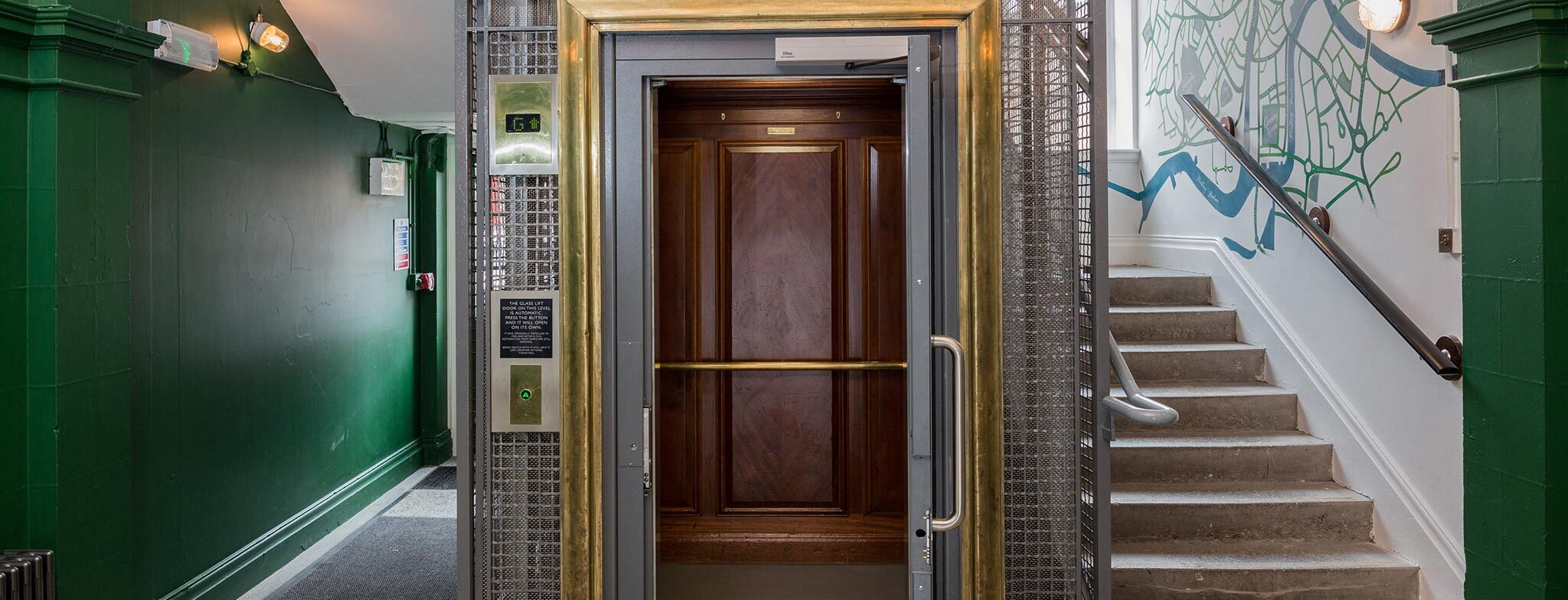
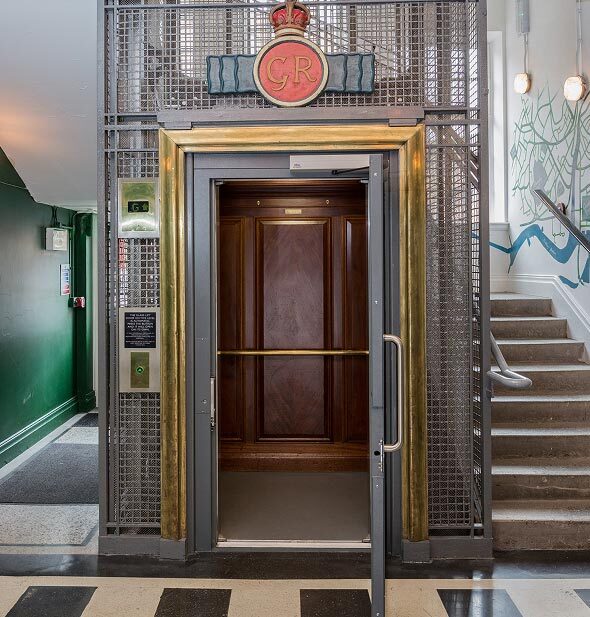
Our extensive experience ranges from restoring heritage lifts to their former glory to modernising older lifts to meet the latest standards. Over the years, we’ve proven our ability to deliver, refurbishing hundreds of passenger lifts in busy Network Rail stations across the U.K.
We can advise you on improving lift reliability and safety, enhancing appearance, reaping immediate energy savings, and conforming to the latest safety standards and regulations. Our highly skilled team will work with you throughout the modernisation process. Ensuring you’re kept up to date and are left with a product that feels brand new.



Experienced in a wide range of lift modernisations
An upgrade increases the lifts life expectancy and the benefits include:
- Improved reliability and safety
- Happy building users
- Adding value to your building by enhancing the overall appearance
- Better energy efficiency and reduced running costs
- Conforming to the latest standards and regulations
Lift modernisations come in all shapes and sizes, from:
- Component upgrades – a quick and cost-effective way to make small improvements to your lift.
- Systems modernisation – improving the performance of your lift by updating entire systems, for example, the emergency communication devices, electrics, door operators or door systems.
- Full replacements – completely removing your old lift and installing a brand new one in your existing lift shaft.
Our expert engineers will work with you to understand your lift performance and needs and recommend the most suitable option.
Before & after
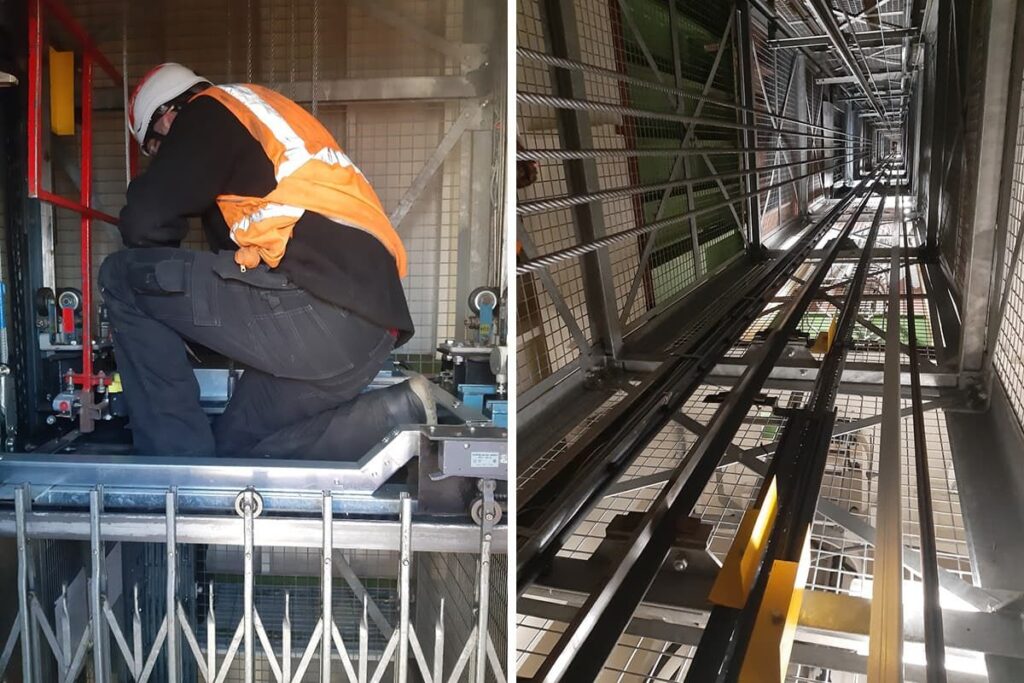
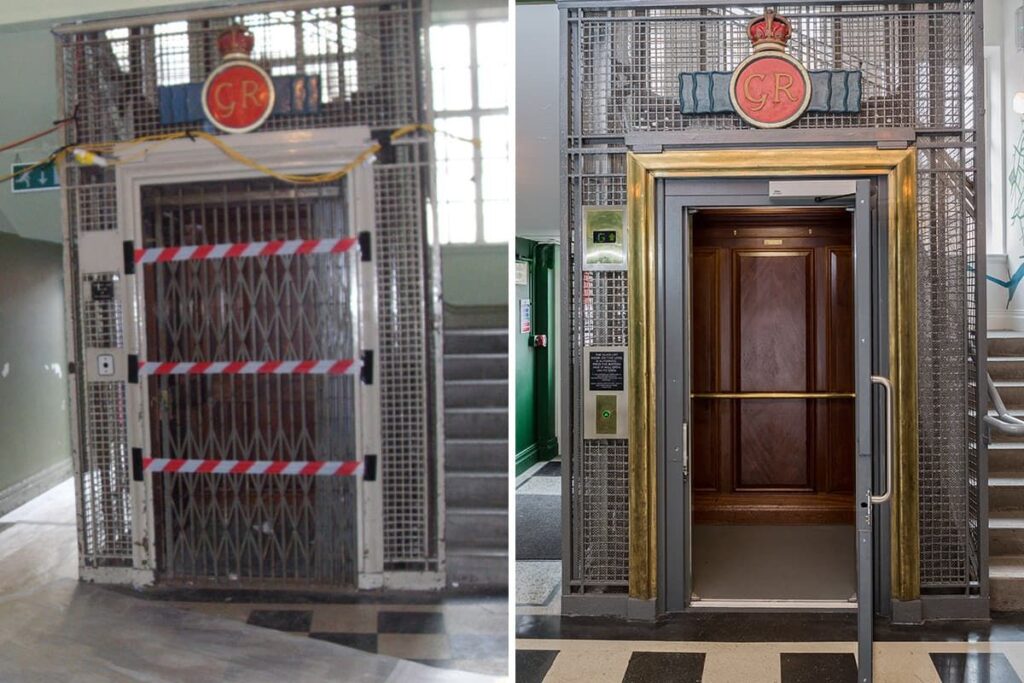
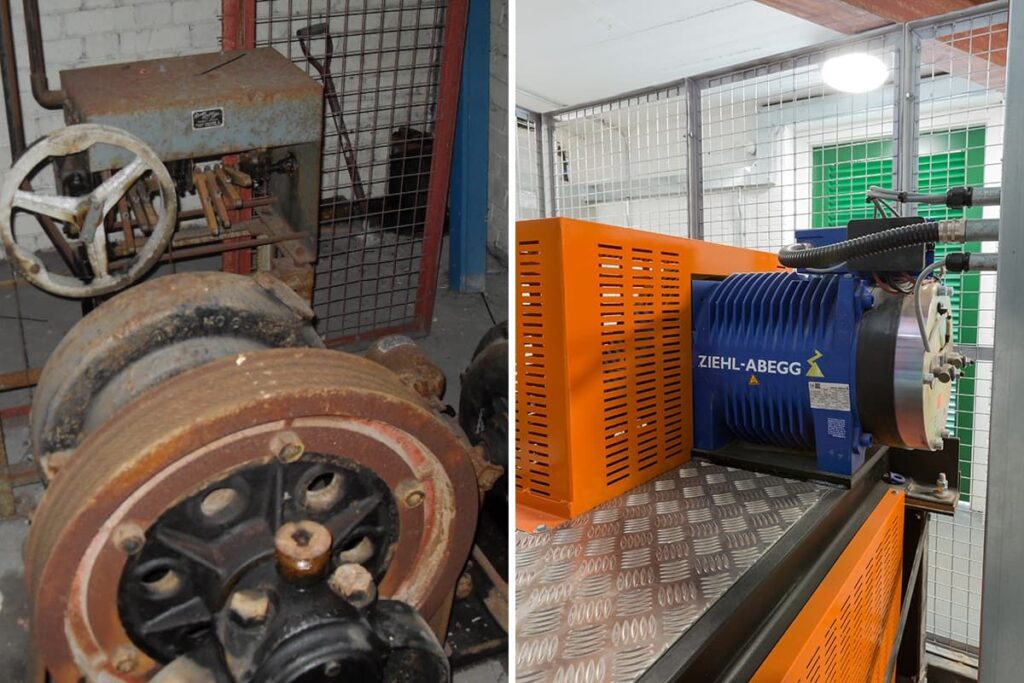
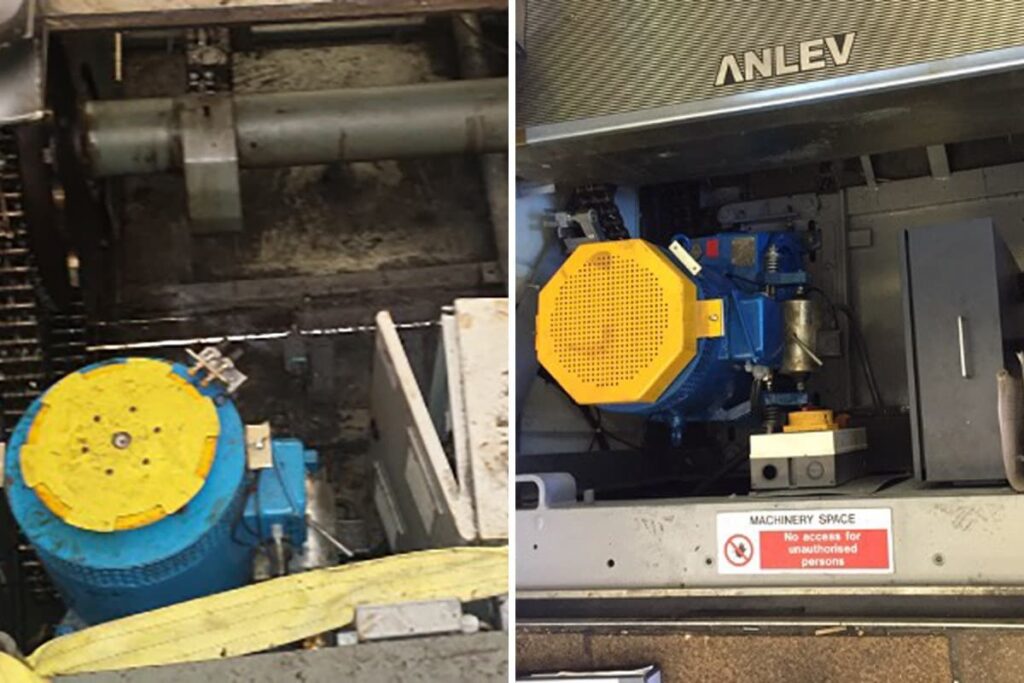
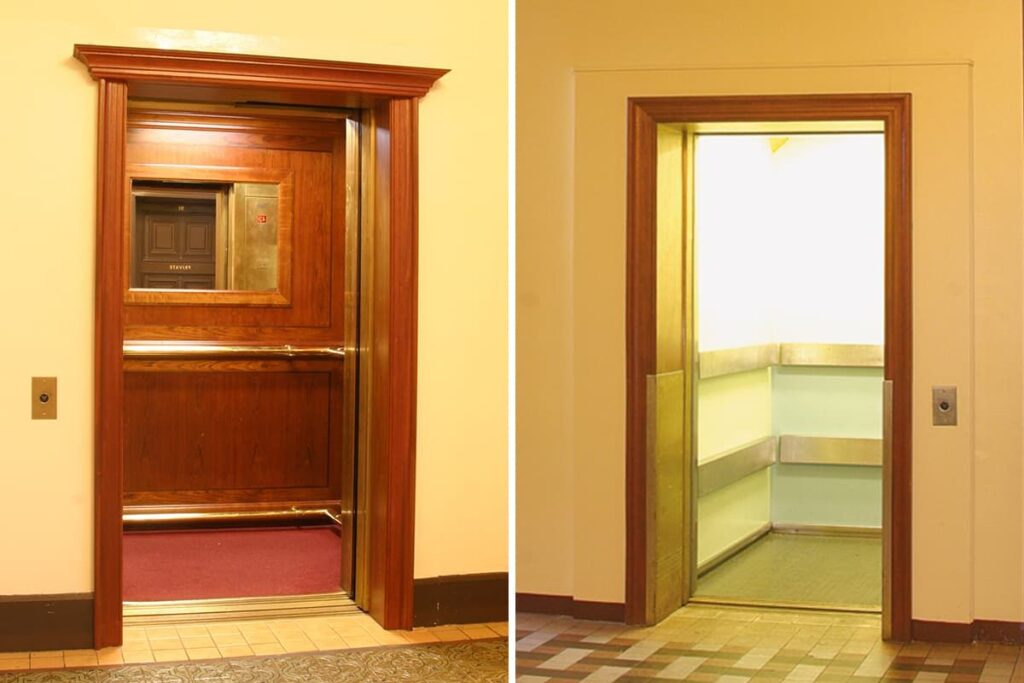
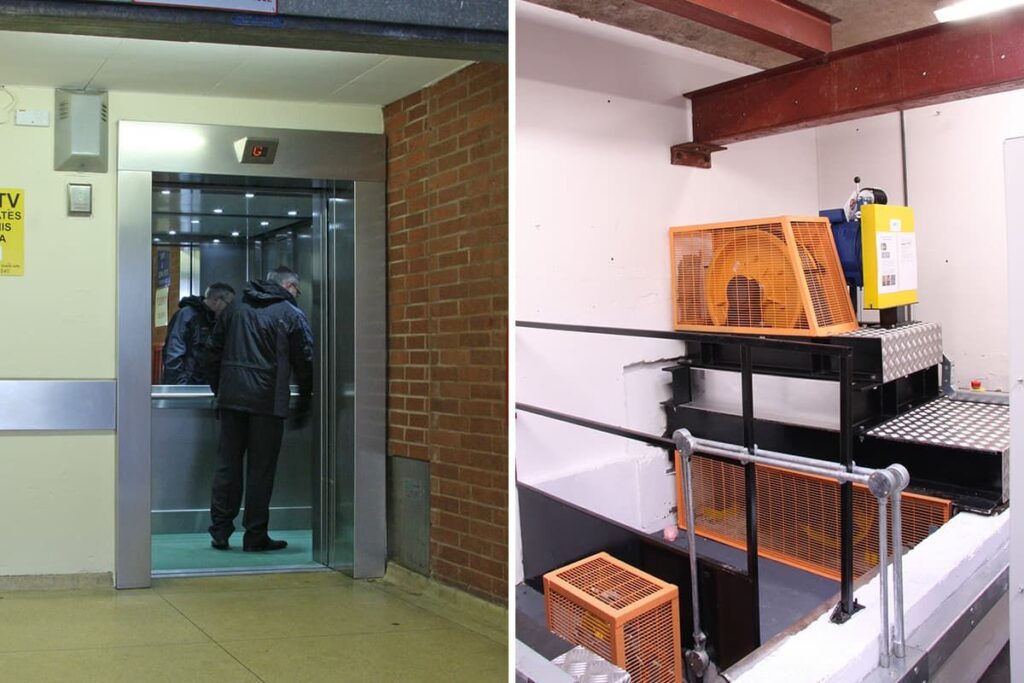
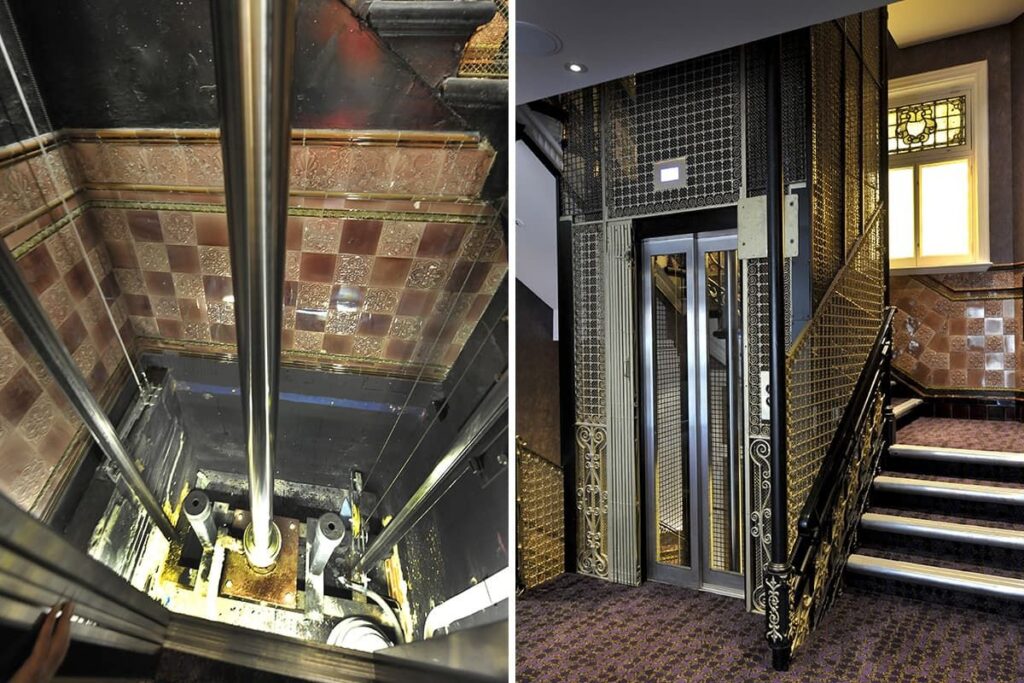
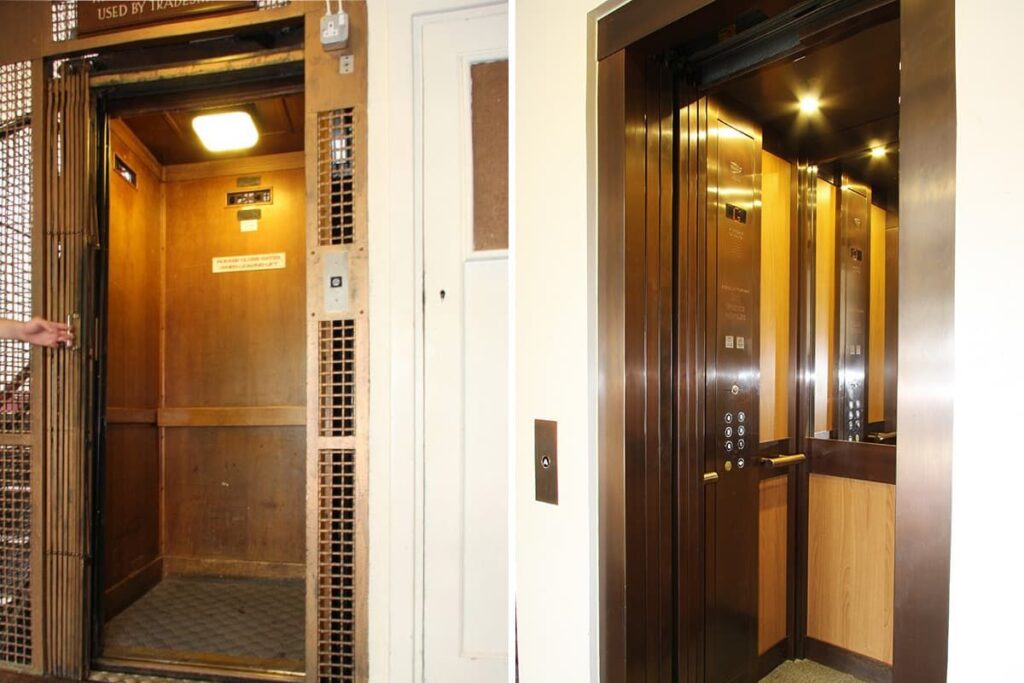
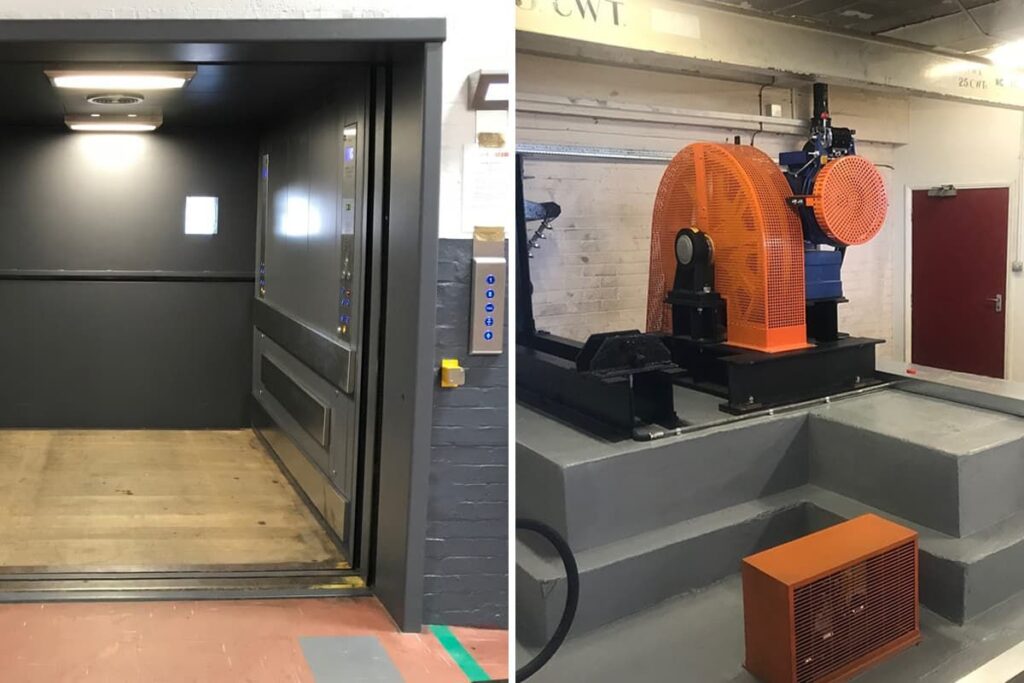
Euro Car Parks case study
Five Ways is a major commercial area in Birmingham with a 700‑space Euro Car Parks multi‑storey that operates 24/7, so the four passenger lifts experience intense usage and frequent misuse, requiring regular refurbishment. To improve reliability and resistance to vandalism, Stannah installed new hydraulic tanks, pumps and valve blocks into the existing hydraulically driven lift systems. The lift motor rooms were also upgraded with ILE Skycom controllers to enhance performance and energy efficiency. Passengers now benefit from a smoother, safer ride as a result of the modernised hydraulic equipment and updated control systems.
Lift refurbishment
Lift refurbishment can cover a range of improvements, from minor updates to major repairs; typical lift upgrades include:
- Safety improvements, including; better-functioning car doors, more accurate landing levelling, improved lighting for visibility and safety, and two-way communication systems.
- Cleaning, retrofitting and replacing any worn parts for their equivalent ones.
- Replacing door operators, installing new control panels and updating control systems.
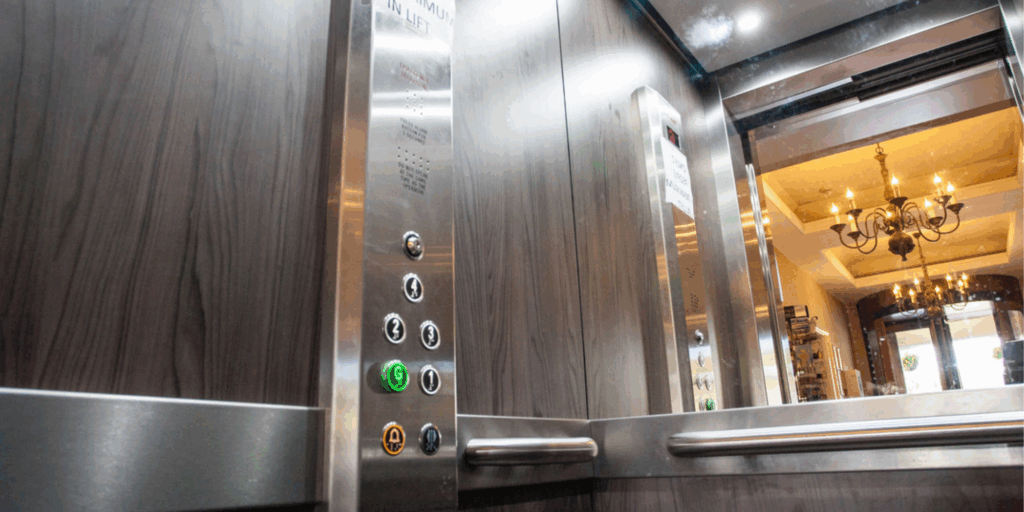
- Car lift modernisations to improve aesthetics and light levels to give the lift car and entrance a more modern finish.
- Upgrading regular passenger lifts to heavy-duty lifts so they are suitable for tougher environments and heavier use.
Moving walkway & escalator modernisation
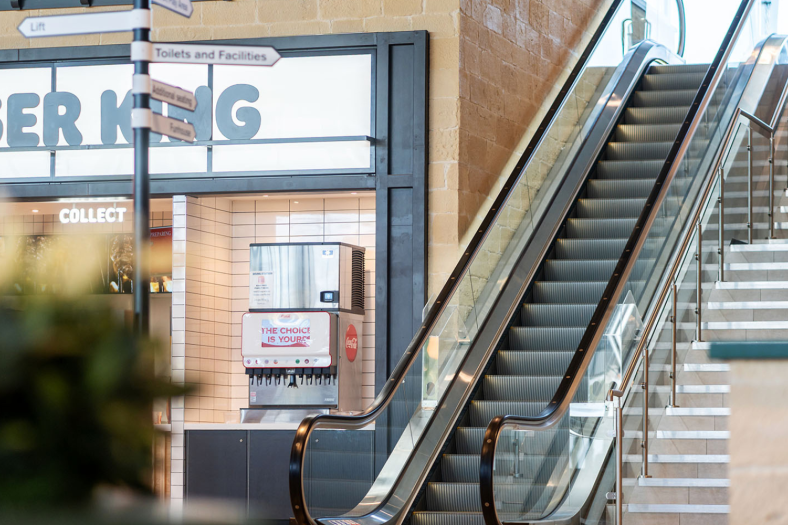
There’s a host of options to upgrade your escalator and moving walkway, including:
- Features such as skirt brushes on the step-skirt interface, yellow safety combfingers, fluorescent step demarcation lighting, blue safety feet and more to maximise escalator safety.
- Aesthetic upgrades to balustrades, decking, steps and lighting to refresh old finishes and update visually.
- Component upgrades, like motors, new steps and rollers, deliver the latest technological improvements, resulting in a quieter, more comfortable ride experience and an increase in footfall.
- Replacement (including or excluding truss) for a cost-effective and less disruption method for replacing an aged or poorly performing escalator
Trust in Stannah for refurbishment and modernisation services
As a leading lift modernisation company, Stannah keeps disruptions to a minimum. When working on a refurbishment (large or small), we ensure your people and goods continue to move safely throughout.
Our expertise enables us to take on the main contractor (CDM) role for large-scale modernisation projects. The Birmingham New Street regeneration project is one of the many examples of clients we’ve helped.
Whatever lift service you require, we will appoint a dedicated service manager to guide you through the process.

Contact us
Looking to discuss your next refurbishment and modernisation project?
Our expert team is on hand to help.