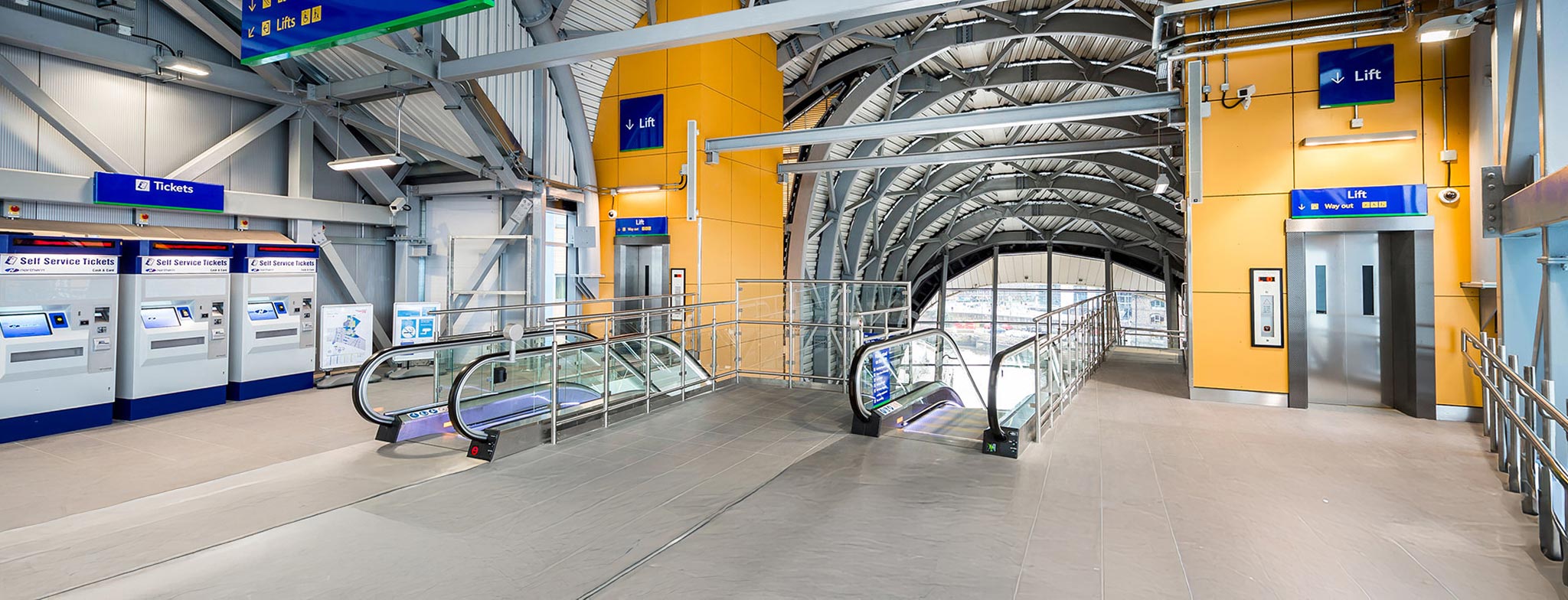
Lift maintenance services from the experts
Local lift servicing for any building, 24/7/365
Stannah is one of the UK’s leading lift maintenance companies, with a legacy of over 150 years in the industry. So we know just how essential lifts are to the efficient operation of our customer’s buildings.
From our 11 service branches, a network of highly trained lift engineers provides local lift repair and maintenance. We’re able to maintain and repair any make of lift, and offer a 24-hour, 365-days a year callout service.
A network of skilled engineers, wherever you are
If a repair is needed, the LOLER inspection report advises remedial works, or there’s a lift breakdown, as one of the largest independent lift maintenance companies, you benefit from our in-depth knowledge and experience, and we can get to you quickly and efficiently no matter where you are in the country.
Reliable service & repairs, no matter the make or model of lift
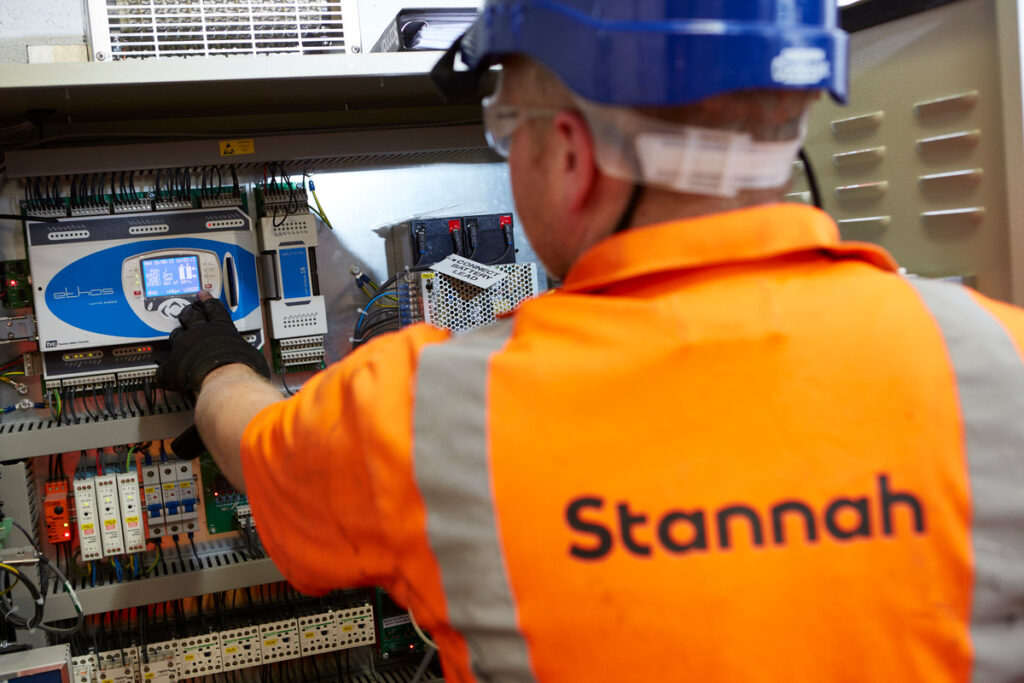
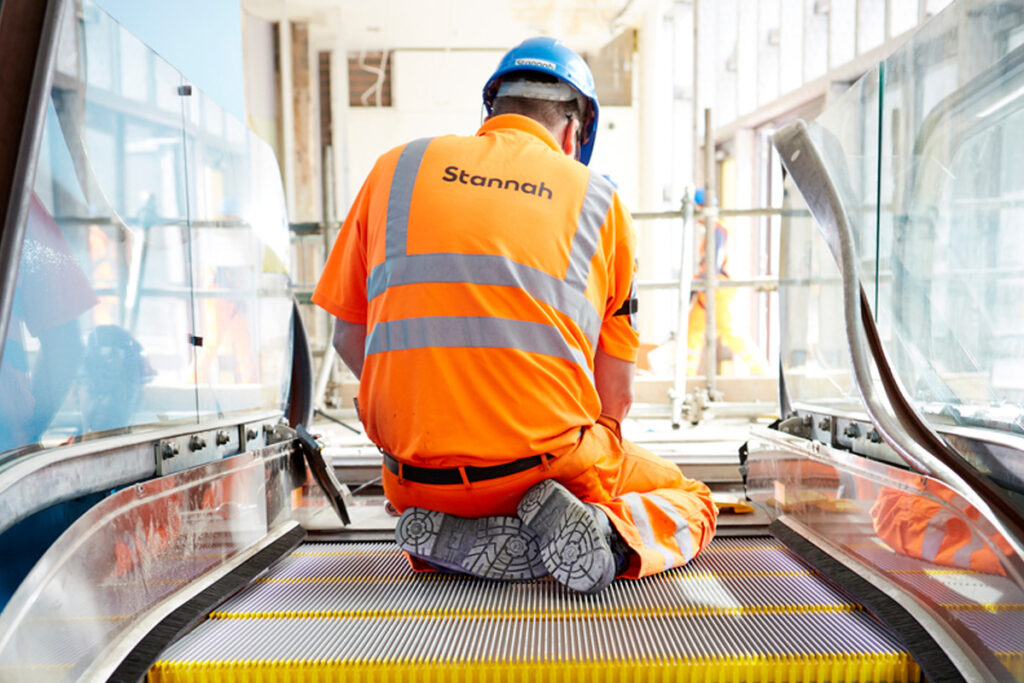
Our lift service engineers receive extensive training to ensure they can maintain and repair a wide range of lifts. Whether you are looking for commercial elevator maintenance services, hydraulic lift maintenance, or anything else – we can help. Our tailored lift service agreements, modernisation and repair packages ensure your lifts keep running reliably and safely all year round.
Keeping you compliant
We’re committed to making our customers aware of legislative changes and advising on upgrades or repairs due to wear and tear. As a lift maintenance contractor, we’re fully committed to helping you keep up with your obligations as a lift owner.


Why Stannah stands out as a lift service company
We’re one of the leading independent lift service companies, delivering elevator maintenance services to nearly 100,000 lift products with excellent customer service. We have extensive industry accreditations, we’re Lift and Escalator Industry Association (LEIA) members, and our dedicated QHSE department ensures that all staff are aware of current European and British Standards, Safed Legislation and Safety Bulletins distributed within the industry.
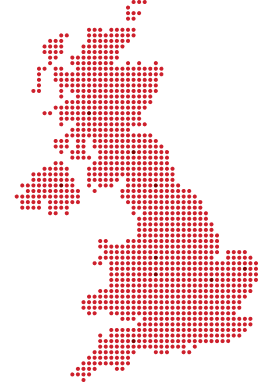
Find your nearest service branch
We're always here to help if you have any queries or concerns. Your local service branch is available 24 hours a day, 7 days a week.
Frequently asked questions
Here at Stannah, we understand that lift maintenance is essential to ensure it runs smoothly. We pride ourselves on making this process as painless as possible for our customers with helpful and clear answers. If you can’t find the answer you are looking for here, then contact your local service branch who will be able to assist further, or arrange for an engineer to visit if necessary.